Professional Leak Detection: Shield Your Home From Concealed Water Damage
Effective leak detection plays an essential role in maintaining a home's integrity. Undetected water damage often causes substantial financial burdens and potential health concerns. Homeowners often overlook early signs, such as unexplained stains or musty odors. By understanding these indicators and employing advanced detection methods, they can protect their property. Despite this, numerous residents remain unfamiliar with the most reliable tools and approaches currently available. What actions can be implemented to keep a home secure from these unseen risks?
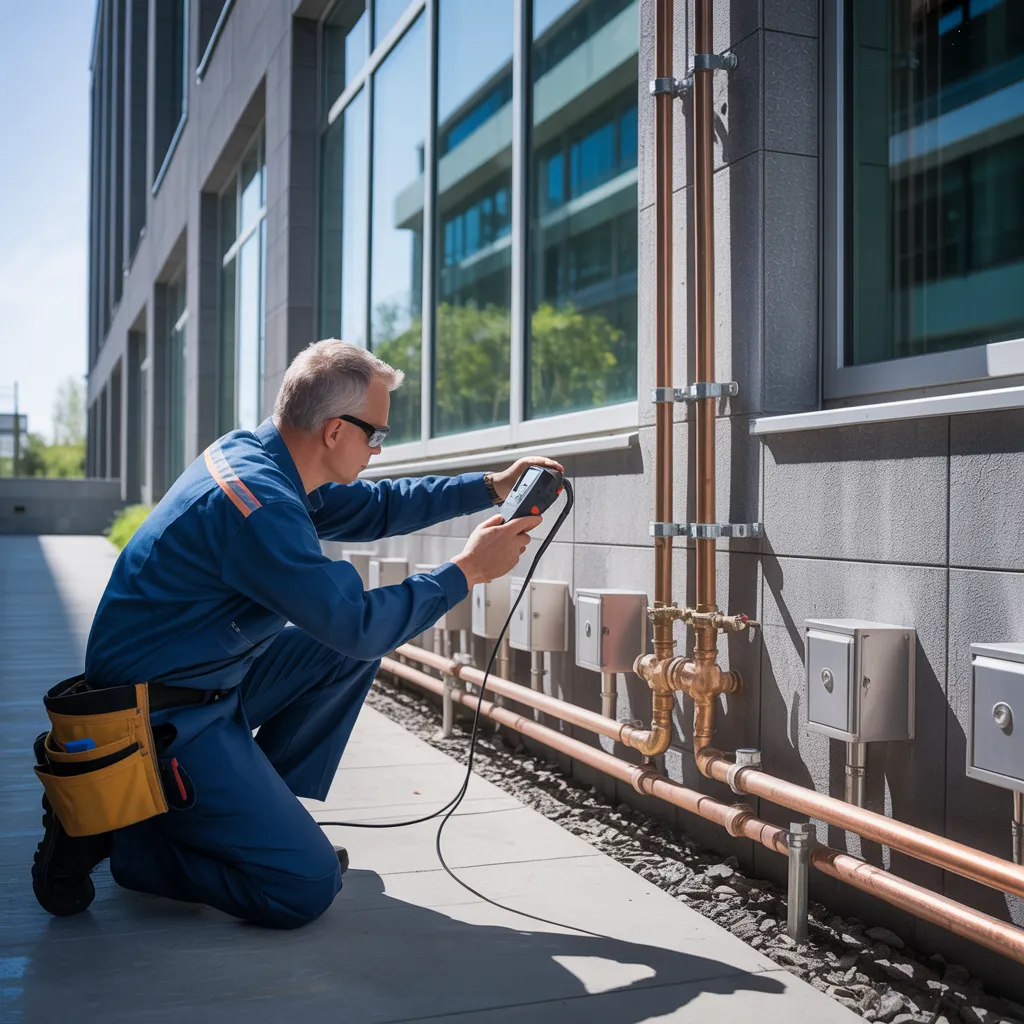
Why You Should Prioritize Leak Detection
Why should homeowners prioritize leak detection? It is essential for homeowners to understand that undetected leaks can lead to serious structural damage and expensive repairs. Water intrusion can compromise the integrity of walls, foundations, and even electrical systems, leading to hazardous living conditions. Furthermore, extended exposure to moisture can promote mold development, presenting serious health hazards to residents.
Committing to proactive leak detection protects the home while also increasing property value. Through the early detection of leaks, homeowners can mitigate potential damage, effectively eliminating the financial strain linked to significant repairs. Consistent inspections and sophisticated detection methods can expose underlying issues that could easily be overlooked. Fundamentally, emphasizing leak detection secures the long-term integrity of the home and fosters a safer, healthier environment. By being vigilant, homeowners can protect their investment and maintain peace of mind.
Important Warning Signs of Water Leaks You Should Know
Although water leaks may start small, their indicators can grow more obvious if ignored. Homeowners should be vigilant for several common indicators of water leaks. One noticeable sign is the presence of water stains on ceilings or walls, that often present as yellowish or brown discoloration. Additionally, damp or discolored patches on the floor can signal moisture problems beneath the surface.
Another red flag is the noise of dripping or flowing water when all fixtures are turned off. A sudden increase in the monthly water bill, lacking an apparent cause, can also indicate hidden leaks. Mold or mildew growth in spaces such as bathrooms or basements is yet another telling sign of ongoing moisture problems. Lastly, buckling or warped floors may suggest excessive water exposure. By recognizing these signs early, homeowners are able to take preventive steps to avoid extensive damage and expensive repairs.
Key Methods for Effective Leak Detection
Recognizing water leaks early is crucial for maintaining a home's integrity and preventing extensive damage. Several approaches exist for successful leak discovery, accommodating a range of needs and circumstances. Visual assessments frequently act as the initial protective measure; homeowners can check for obvious signs like water stains or mold growth. Thermal imaging technology is yet another approach that applies infrared detection to pinpoint thermal differences, indicating hidden leaks within walls or ceilings.
Acoustic leak detection employs sound waves to pinpoint leaks, making it especially effective for underground or concealed pipes. Pressure testing entails tracking the pressure inside plumbing systems to recognize anomalies that suggest potential leaks. Furthermore, moisture meters are capable of measuring dampness in materials, delivering quantitative data on potential leak sources. Each of these techniques provides distinct benefits, enabling homeowners to choose the most suitable approach for their specific needs and guaranteeing proactive steps against water damage.
Selecting Effective Leak Detection Tools for Your Home
What can homeowners do to ensure they have the proper tools for detecting leaks effectively? Choosing the right equipment is critical for locating concealed leaks before they result in serious harm. Important equipment includes moisture meters, which measure the humidity level in walls and floors, helping to pinpoint damp areas. Infrared imaging devices are highly beneficial, as they reveal temperature fluctuations, pointing to potential leaks hidden behind walls.
Furthermore, sound-based leak detection devices can recognize the noise of water flowing out from pipe systems. For those who prefer manual methods, basic dye testing are practical for checking toilet leaks. Property owners should additionally look into investing in intelligent leak monitoring systems that offer real-time alerts through mobile devices. In the end, knowing the unique demands of their home and the various potential plumbing problems will assist residents in choosing the most efficient leak monitoring devices, allowing them to be fully prepared to minimize the risk of water damage.
Establishing Preventative Actions to Combat Water Damage
Water-resistant materials in basements, kitchens, and bathrooms can further reduce the risk of damage. Homeowners should also consider using moisture detectors, which can alert them to leaks early on. Thoughtful landscaping, such as sloping the ground away from the house, can effectively redirect water away from foundations. Above all, regulating indoor humidity levels can inhibit mold growth, which is commonly a result of unaddressed water issues. By implementing these preventive measures, homeowners can significantly lower the chances of expensive water damage.
When Is It Time to Call a Professional for Leak Detection?
When should homeowners consider calling a professional for leak detection? Residents should think about contacting a specialist when they detect ongoing moisture spots, mysterious spikes in their monthly water expenses, or a musty odor that lingers despite cleaning efforts. Moreover, should water stains begin to form on ceilings or walls, this could be a sign of a concealed leak that demands specialized diagnostic equipment. Trained specialists have the skills and tools, including thermal imaging cameras and see more moisture meters, to accurately pinpoint the origin of the issue.
In addition, if self-directed repair efforts have not yielded results, seeking professional guidance is highly advisable to stop additional harm from occurring. Residences that have outdated plumbing infrastructure or have undergone recent construction face an elevated likelihood of experiencing leaks, underscoring the value of a qualified professional's review. Ultimately, timely intervention by a leak detection specialist can save homeowners from extensive repairs and costly water damage in the long run.
Questions We Often Receive
How Often Should I Check for Leaks in My Home?
Property owners should check for leaks a minimum of two times per year, ideally during seasonal changes. Regular inspections allow for the early discovery of underlying concerns, minimizing damage and repair costs linked to concealed water leaks across the home.
Is It Possible for Appliances Such as Dishwashers or Refrigerators to Develop Leaks?
Yes, leaks can occur in home appliances such as refrigerators and dishwashers. With regular use, seals might degrade or hoses could develop wear, resulting in possible water damage if not consistently monitored and maintained.
What Are the Lasting Consequences of Undetected Water Leaks?
Unnoticed water leaks may result in serious structural damage, the growth of mold, higher utility bills, and health issues. As time passes, these issues can worsen, leading to expensive repairs and potential loss of property value.
Are There Specific Seasons When Leaks Are More Likely?
Leaks are more likely during winter, because dropping temperatures lead to pipes bursting, and during spring, when thawing snow combined with intense rainfall may exceed drainage capacity. Awareness of these seasonal patterns aids in preventive measures.
How Can I Tell if My Water Meter Indicates a Leak?
To determine if a water meter indicates a leak, one should check the meter reading before and after a period of no water usage. Any variation in the reading indicates a potential leak within the system.